
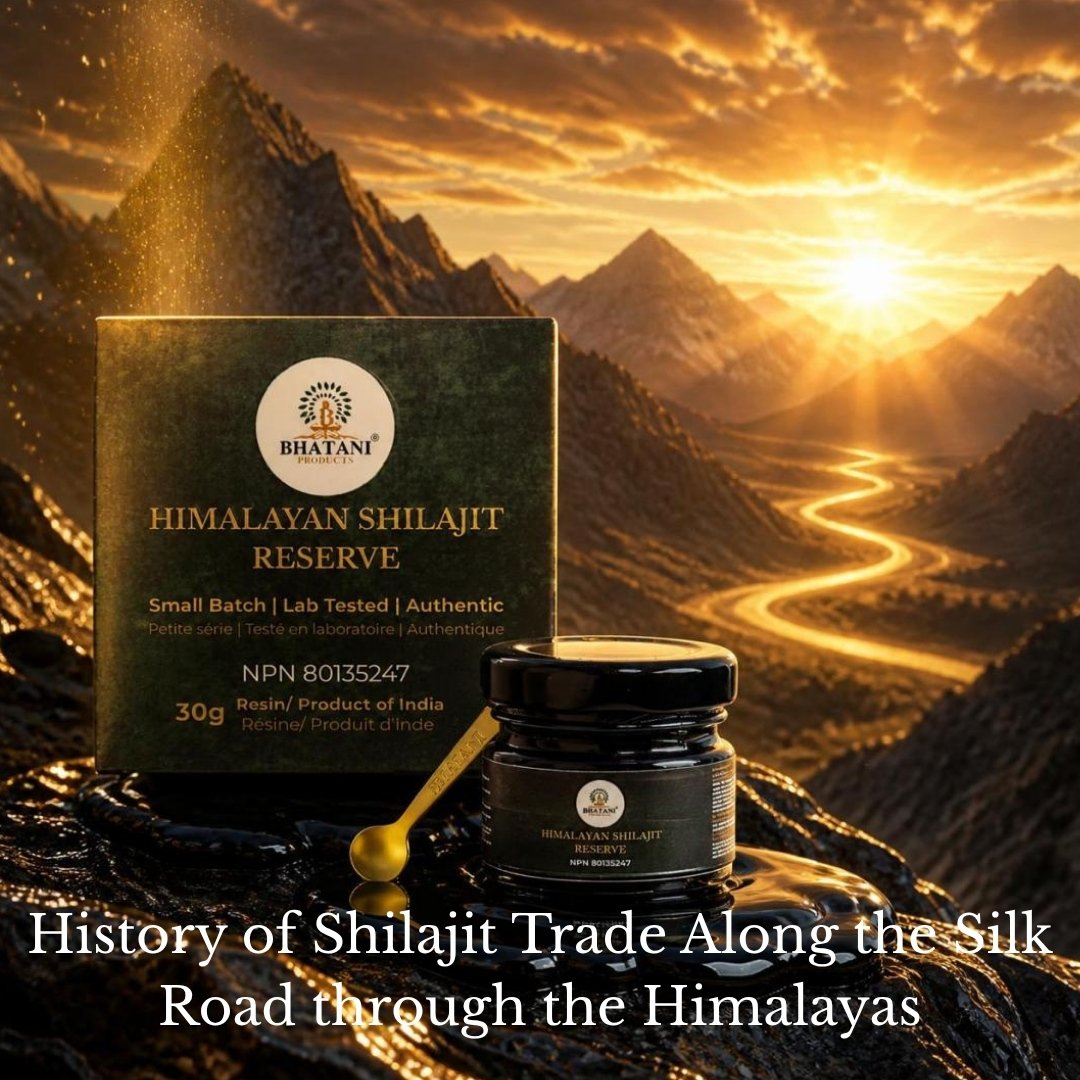
The History of Shilajit Trade Along the Silk Road is a fascinating story that connects ancient civilizations, mountain cultures, traditional medicine, and modern wellness practices. Long before online stores, international shipping, and global supplement brands existed, traders carried valuable goods across thousands of kilometers through some of the world’s most challenging landscapes.
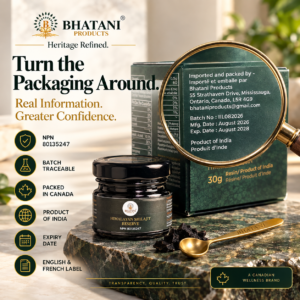
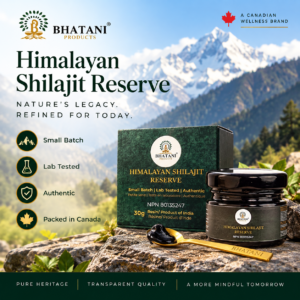
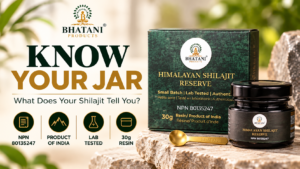
Among silk, spices, precious stones, and medicinal herbs was a unique natural substance known as Shilajit. Found primarily in the Himalayan mountain ranges, Shilajit has been valued for centuries in traditional wellness systems. Today, consumers continue seeking authentic Himalayan Shilajit, and premium Canadian brands such as Bhatani Products have helped bring this ancient tradition into the modern wellness market through carefully sourced products like Bhatani Shilajit Reserve (NPN 80135247).
In this article, we explore how Shilajit traveled along the Silk Road, why it became so valuable, and how its legacy continues today.
Shilajit is a naturally occurring mineral-rich resin traditionally harvested from mountainous regions including the Himalayas, Altai Mountains, Caucasus Mountains, and certain regions of Central Asia.
Over centuries, plant material and organic compounds become compressed within mountain rock formations. During warmer seasons, a dark resin-like substance emerges from rock crevices. Traditional cultures have collected and utilized this material for generations.
Historical texts from Ayurveda describe Shilajit as one of nature’s most prized substances. Ancient healers believed it possessed unique restorative qualities and often included it in traditional wellness practices.
The Himalayan Mountains have long been recognized as the most renowned source of Shilajit.
Stretching across India, Nepal, Bhutan, Pakistan, and Tibet, the Himalayas contain ecosystems unlike any other on Earth. The region’s altitude, biodiversity, and geological conditions contribute to the formation of authentic Himalayan Shilajit.
Ancient mountain communities discovered Shilajit thousands of years ago. Shepherds reportedly observed animals consuming mineral-rich substances from rocks and began incorporating similar materials into traditional practices.
As awareness spread, Shilajit became increasingly valuable among traders and healers.
The Silk Road was not a single road but a vast network of trade routes connecting Asia, the Middle East, North Africa, and Europe.
Beginning around the second century BCE, merchants exchanged:
These routes facilitated not only commerce but also cultural exchange, scientific discoveries, religious teachings, and traditional healing knowledge.
The movement of medicinal substances played a crucial role in the development of ancient healthcare systems.
The History of Shilajit Trade Along the Silk Road reveals how this Himalayan substance became known across vast regions.
Merchants traveling through mountain passes transported small quantities of Shilajit due to its rarity and perceived value. Unlike bulky commodities, Shilajit was lightweight and highly sought after.
Trade routes connected:
As traders moved across these routes, knowledge about Shilajit spread among physicians, scholars, and traditional healers.
Its reputation grew alongside other prized natural resources traded along the Silk Road.
Several factors contributed to the demand for Shilajit.
Authentic Shilajit could only be harvested from specific mountainous environments.
Harvesting required navigating steep terrain and collecting material from rock formations.
Ancient medical systems often viewed Shilajit as a valuable natural resource.
Unlike many medicinal plants, Shilajit could be transported over long distances without significant degradation.
These characteristics made it an attractive trade commodity.
Ayurveda is one of the oldest traditional wellness systems in the world.
Ancient Ayurvedic texts discuss Shilajit extensively and classify it as a highly respected natural substance.
Traditional practitioners often incorporated Shilajit into broader wellness practices focused on:
Its historical significance helped drive demand throughout trade networks connected to the Indian subcontinent.
Central Asia served as a major crossroads of Silk Road commerce.
Cities such as Samarkand and Bukhara became important centers where merchants exchanged goods from East and West.
As Shilajit moved through these regions, it encountered diverse cultures and healing traditions.
This exchange contributed to broader awareness of Himalayan natural products across Eurasia.
Persian scholars and traders played a major role in preserving and transmitting medical knowledge.
Trade connections between India and Persia helped introduce numerous natural substances to new audiences.
Historical records suggest that mountain-derived minerals and botanical products were frequently exchanged among merchants and physicians.
Shilajit’s reputation continued expanding as trade networks grew.
The Silk Road encouraged collaboration among many healing systems.
Knowledge traveled alongside merchants.
Various traditions adopted and adapted natural ingredients based on local customs and beliefs.
Shilajit became part of a larger story involving the exchange of medicinal knowledge between civilizations.
Several factors contributed to the decline of Silk Road trade routes:
However, while the routes declined, the knowledge exchanged through them endured.
Traditional substances such as Shilajit continued to be used by regional communities.
Interest in traditional wellness practices has grown significantly in recent decades.
Consumers increasingly seek products connected to:
As a result, Shilajit has gained renewed popularity worldwide.
Researchers continue studying its composition, while consumers appreciate its rich history.
Not all Shilajit products are created equal.
Modern consumers should prioritize:
These factors help support confidence in product quality.
The story of Shilajit did not end with the Silk Road.
Today, companies committed to quality help preserve this ancient tradition.
Bhatani Products focuses on bringing authentic wellness products to modern consumers while emphasizing quality, transparency, and regulatory compliance.
One example is Bhatani Shilajit Reserve, a premium Himalayan Shilajit product authorized for sale in Canada under Health Canada NPN 80135247.
By combining traditional heritage with modern quality standards, Bhatani Products continues the legacy of Himalayan wellness traditions.
Modern interest in Himalayan Shilajit reflects several broader wellness trends.
Consumers increasingly appreciate:
The connection between historical practices and modern lifestyles makes Shilajit particularly appealing.
The future of Shilajit appears closely tied to consumer education and quality standards.
As awareness grows, responsible sourcing and regulatory compliance will remain important priorities.
Companies that combine historical respect with modern standards are likely to play a significant role in the continued evolution of this category.
The History of Shilajit Trade Along the Silk Road demonstrates how a rare Himalayan substance traveled across continents and cultures for centuries.
From remote mountain regions to bustling trade cities, Shilajit became part of one of humanity’s most influential commercial networks. Its journey reflects the power of cultural exchange, traditional knowledge, and enduring interest in natural wellness.
Today, products such as Bhatani Shilajit Reserve (NPN 80135247) help connect modern consumers with this remarkable history. While the Silk Road may no longer function as it once did, the legacy of Shilajit continues to inspire people seeking authentic connections to ancient wellness traditions.
Historical evidence suggests medicinal substances including Shilajit moved through Silk Road trade networks connecting Asia and the Middle East.
Authentic Shilajit is traditionally sourced from mountainous regions, especially the Himalayas.
Its rarity, traditional significance, and limited availability made it highly valued.
Bhatani Shilajit Reserve is a premium Himalayan Shilajit product authorized for sale in Canada under NPN 80135247.
NPN stands for Natural Product Number issued by Health Canada for authorized natural health products.